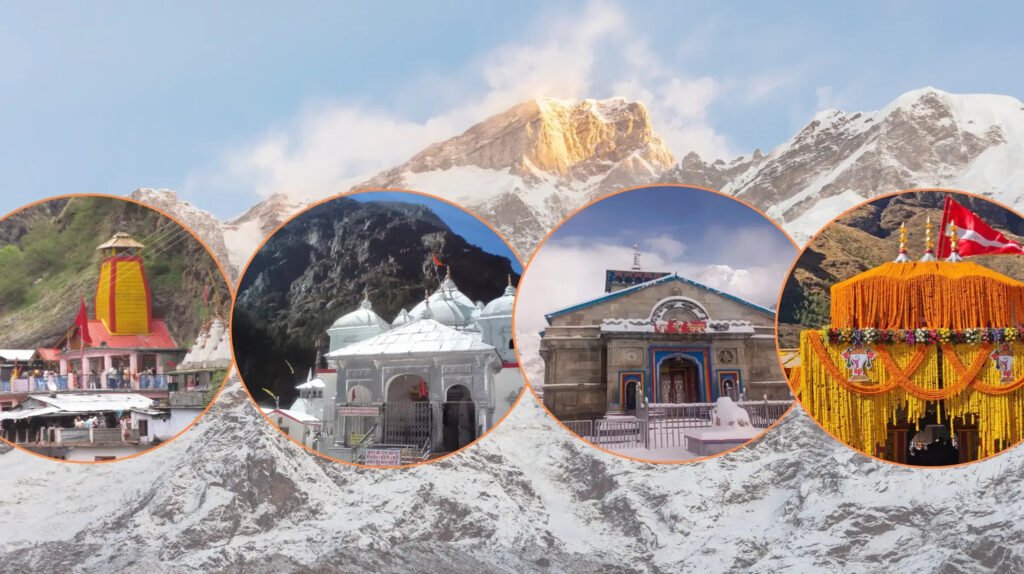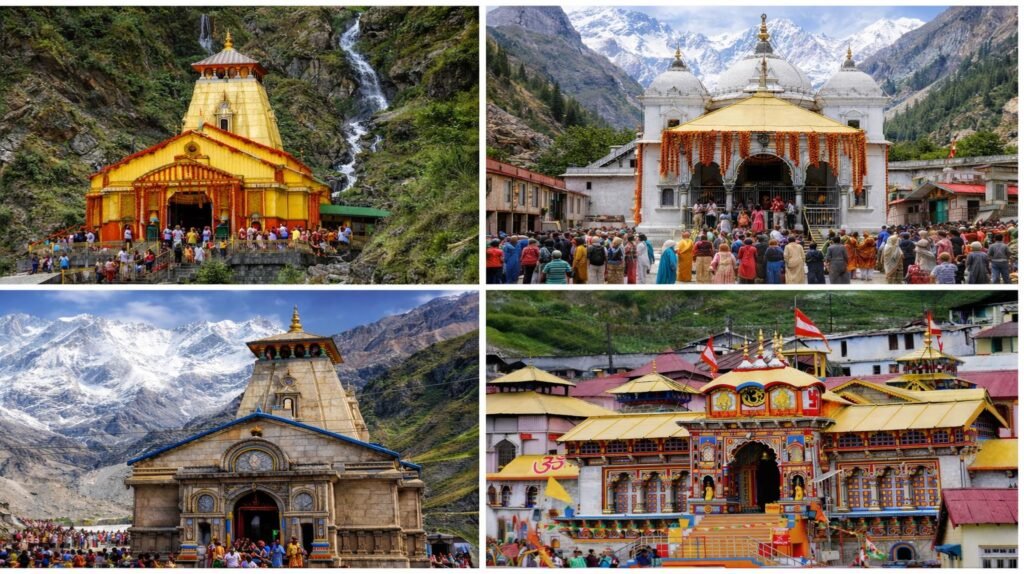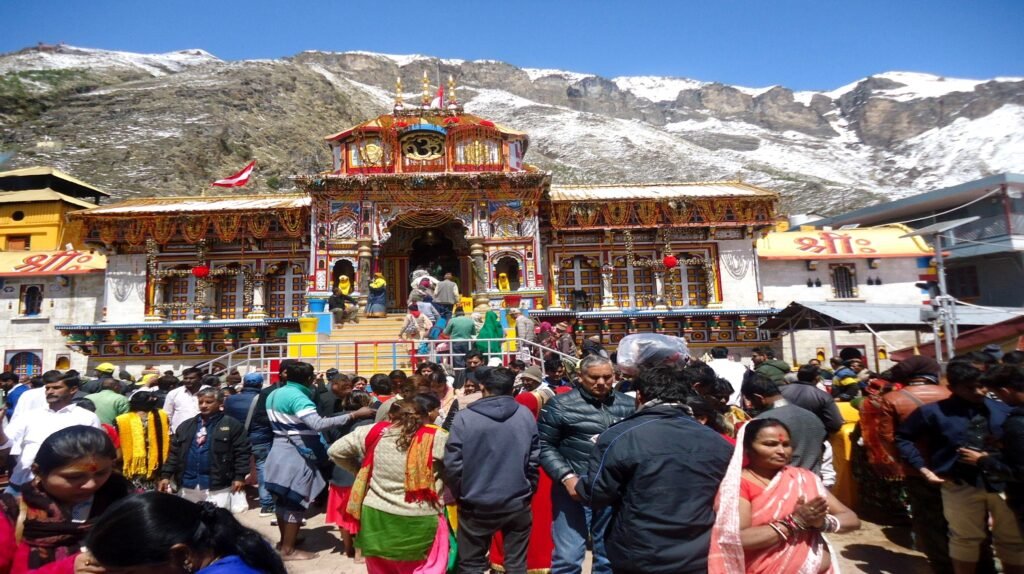
The trek to Kedarnath Temple is one of India’s most iconic pilgrimage journeys. Unlike normal temple visits, reaching Kedarnath requires a long mountain trek through the Himalayas, making it physically demanding for many travelers.
At an altitude of 3,583 meters, the trek combines:
High elevation
Continuous uphill walking
Changing weather conditions
Reduced oxygen levels
👉 This is why understanding the actual difficulty level of the Kedarnath trek is extremely important before planning your journey.
| Factor | Details |
|---|---|
| Trek Distance | 16–18 km (one way) |
| Starting Point | Gaurikund |
| Ending Point | Kedarnath |
| Altitude Gain | ~1,600 meters |
| Trek Duration | 6–10 hours |
| Trek Type | Pilgrimage Trek |
| Difficulty Level | Moderate to Difficult |
Wide and well-maintained path
Gradual incline
High energy at start
👉 This stretch feels manageable even for beginners.
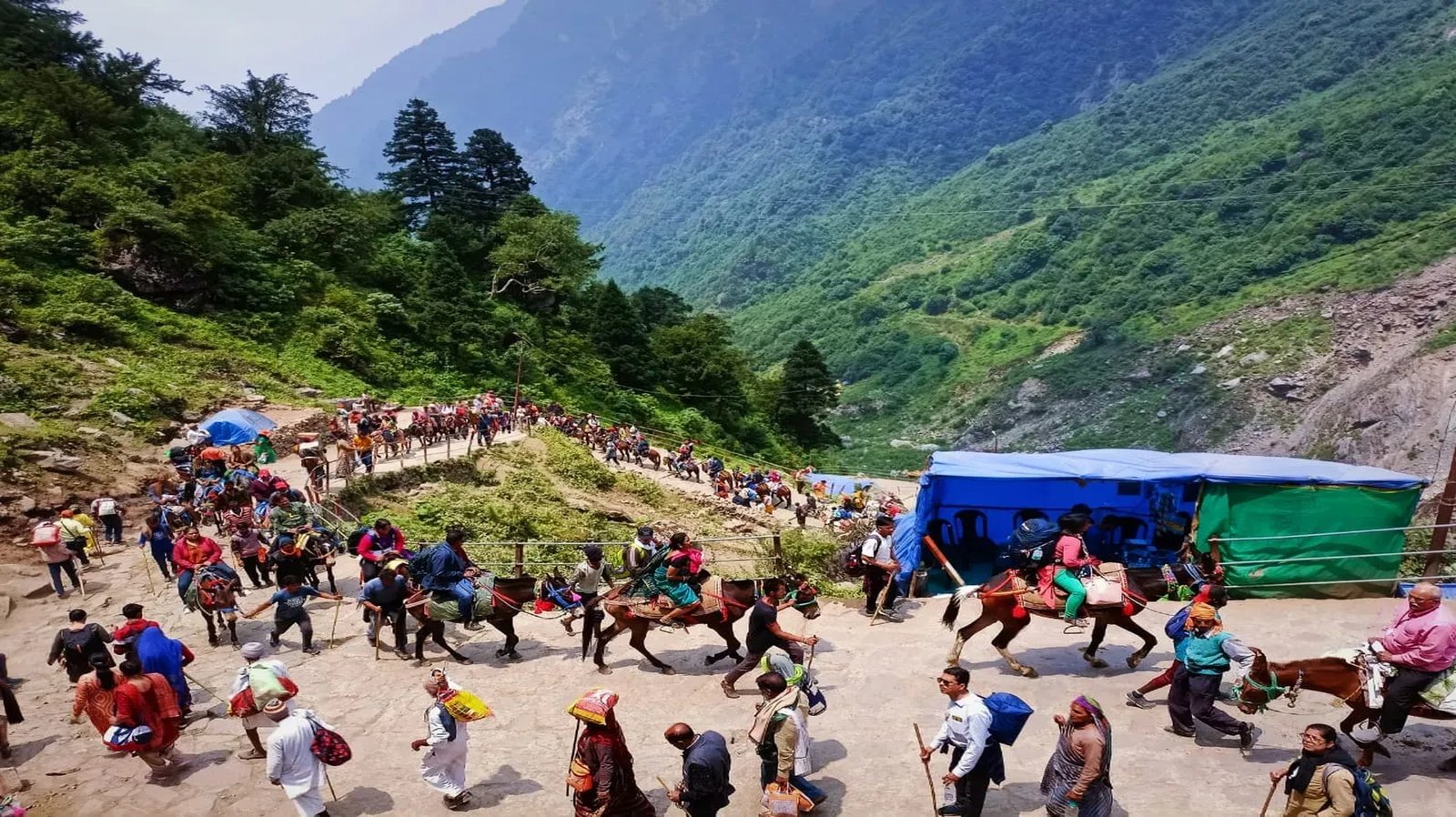
Incline becomes noticeable
Breathing starts getting heavier
Fatigue begins
👉 This is where the trek starts becoming challenging.

Continuous uphill climb
Thinner air (oxygen reduces)
Muscular fatigue increases
👉 Many people feel the real difficulty here.
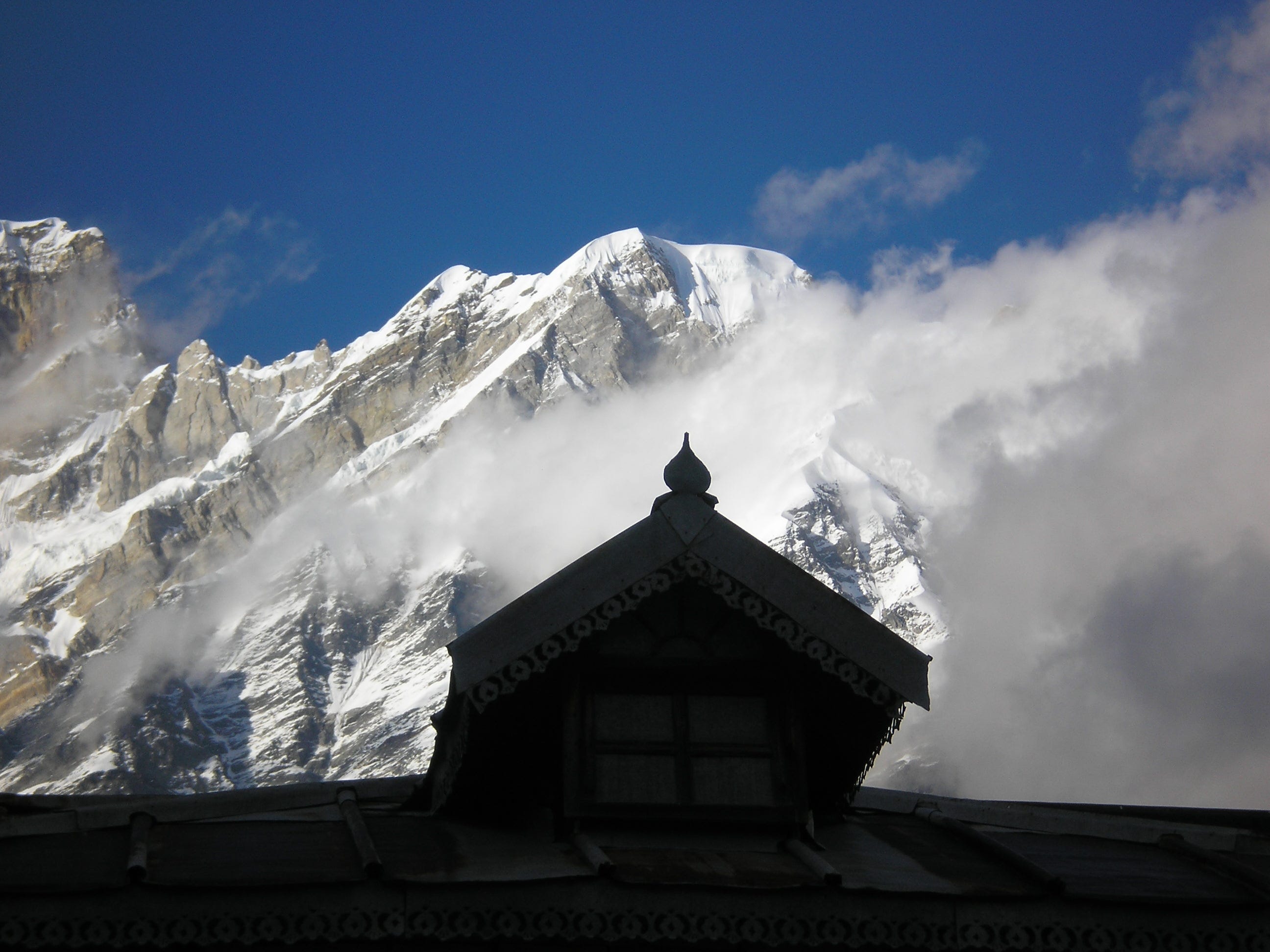
Steepest section
High altitude exhaustion
Cold winds
👉 The final stretch is the most challenging part of the trek.
Unlike normal treks:
There is no flat walking
Constant elevation gain
👉 This puts continuous strain on legs and lungs.
At 3,583 meters:
Oxygen levels drop significantly
Breathing becomes difficult
Headache
Dizziness
Breathlessness
👉 This alone can turn a moderate trek into a difficult one.
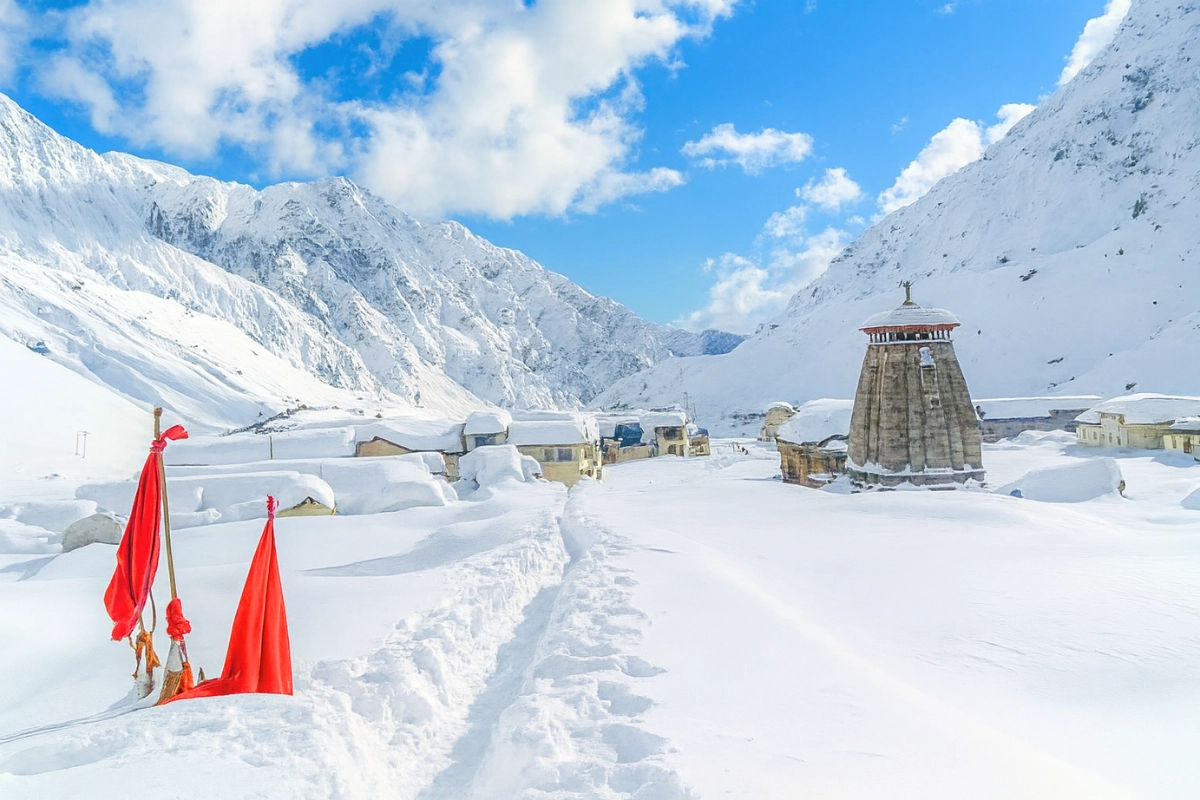
Weather can change anytime:
Sudden rain
Cold winds
Fog or snow
👉 Wet paths become slippery, increasing difficulty.
Difficulty varies by person:
| Fitness Level | Difficulty |
|---|---|
| Fit | Moderate |
| Average | Moderate to Difficult |
| Unfit | Difficult |
Long walking hours
Physical exhaustion
Cold and fatigue
👉 Mental endurance plays a huge role.
Most pilgrims experience:
First 4–5 km → Comfortable
Next 5 km → Tiring
Last 5–6 km → Exhausting
👉 The last stretch feels twice as difficult due to altitude and fatigue.
| Category | Time |
|---|---|
| Fit trekkers | 6–7 hours |
| Average pilgrims | 8–9 hours |
| Beginners | 9–10 hours |
👉 Starting early morning reduces difficulty.
Available from Gaurikund
Reduces physical effort
Carried by porters
Suitable for elderly
Fastest option
Saves time and energy
Trekking shoes with grip
Warm clothing
Raincoat
Gloves & cap
Energy snacks
Water bottle
👉 Proper gear makes the trek significantly easier.
Start at least 2–3 weeks before:
Walk 5–8 km daily
Climb stairs
Do light cardio
Practice deep breathing
👉 Preparation reduces fatigue and improves stamina.
| Month | Difficulty |
|---|---|
| May | Moderate |
| June | Moderate |
| July–Aug | Difficult (rain) |
| September | Moderate (best) |
| October | Moderate to Difficult |
👉 Best months: May, June, September
Altitude sickness
Dehydration
Muscle cramps
Slippery paths
Cold weather
👉 Awareness helps reduce risk.
✔️ Start trek early (4–5 AM)
✔️ Walk slowly and steadily
✔️ Take short breaks
✔️ Stay hydrated
✔️ Avoid overexertion
The Kedarnath trek is not impossible—but it is not easy either.
👉 Final Verdict:
Moderate for fit people
Difficult for beginners or unfit travelers
With proper preparation, planning, and mindset, anyone can successfully complete this spiritual journey.