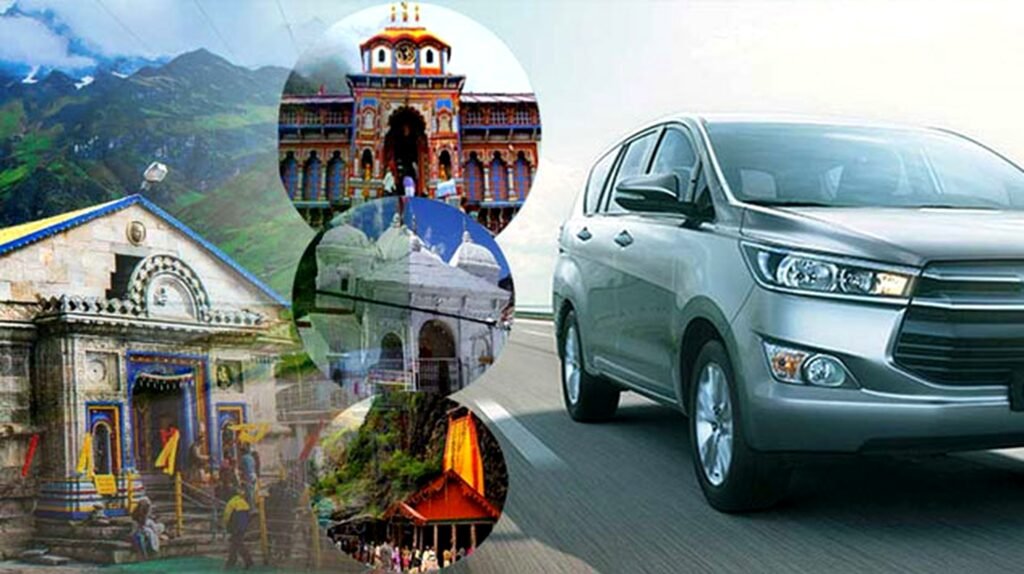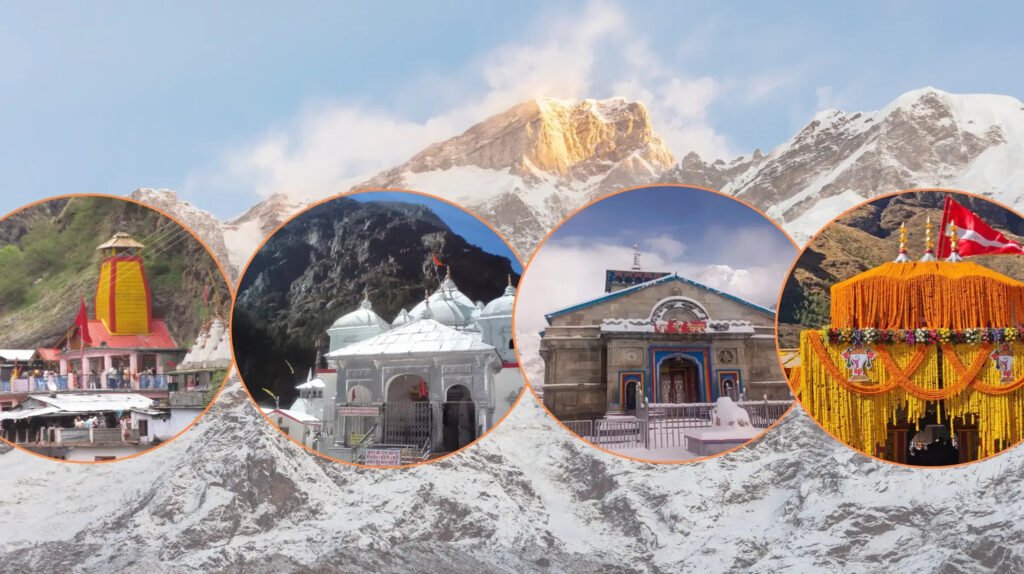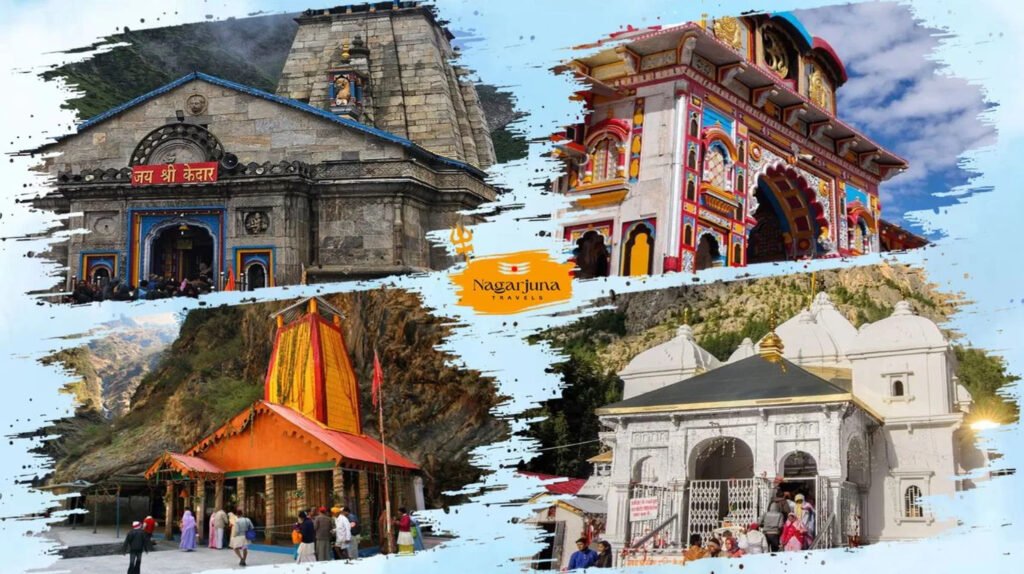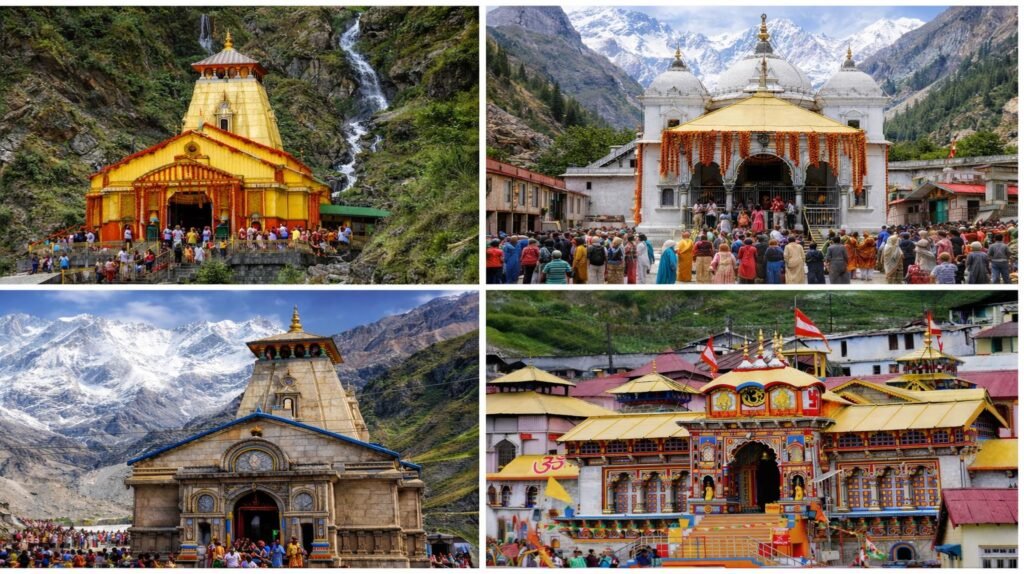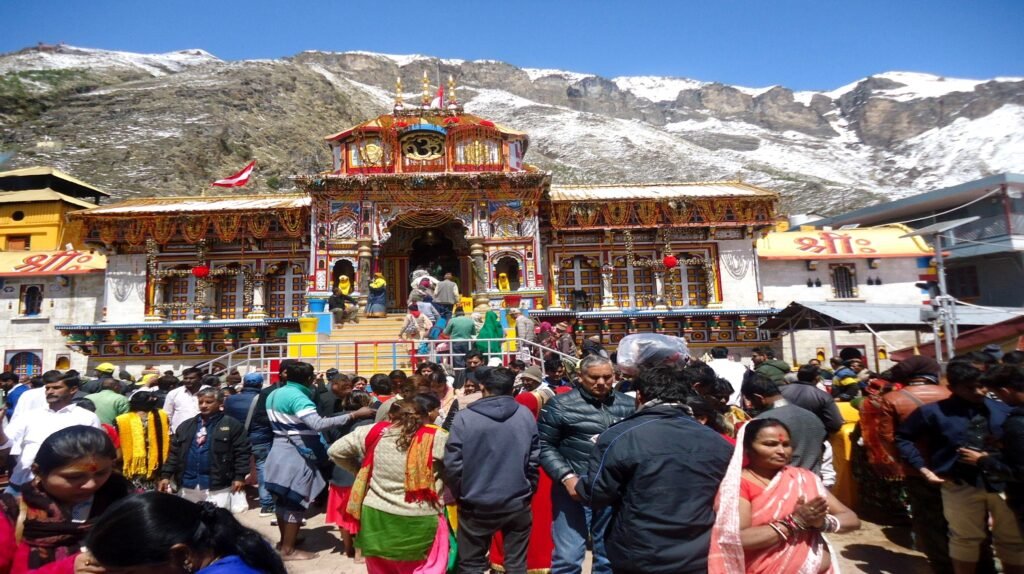
Complete Char Dham Yatra monsoon travel guide including weather conditions, landslide risks, travel safety tips, itinerary planning and important advice for visiting Kedarnath, Badrinath, Gangotri and Yamunotri during monsoon.
The Char Dham Yatra is one of the most sacred pilgrimage journeys in India, covering four holy temples located in the Garhwal Himalayas of Uttarakhand:
Yamunotri
Gangotri
Kedarnath
Badrinath
Every year millions of pilgrims visit these temples to seek blessings and spiritual peace.
While the peak season for Char Dham travel is during summer (May to June) and autumn (September to October), some travelers also plan their pilgrimage during the monsoon season.
The monsoon months in Uttarakhand typically occur between July and August, bringing heavy rainfall to the Himalayan region.
Traveling during this time can be both beautiful and challenging. The mountains become incredibly lush and waterfalls appear everywhere, but road conditions and landslides may create difficulties.
This detailed guide explains everything about Char Dham Yatra during the monsoon season, including weather conditions, safety tips, travel routes, and planning advice.

Heavy rainfall nourishes forests, rivers, and valleys, making the entire landscape vibrant and refreshing.
However, the same rainfall can also create travel difficulties.
The Char Dham region receives significant rainfall during July and August.
This can lead to:
Road blockages
Landslides
Flooding in some areas
Average temperatures during monsoon range between:
8°C to 18°C
The weather remains cool due to the high altitude.
Frequent clouds and fog may reduce visibility on mountain roads.
Travelers should drive carefully and avoid traveling after dark.

The answer depends on weather conditions and travel preparedness.
The main risks during monsoon include:
Landslides on mountain roads
Sudden road closures
Flooding near rivers
Slippery trekking routes
The Uttarakhand government closely monitors weather conditions during the Char Dham season.
Authorities frequently issue travel advisories and temporarily stop travel if necessary.
To reduce risks during monsoon travel:
Follow official weather updates
Avoid unnecessary travel during heavy rain
Start journeys early in the morning
Travel with experienced drivers
Despite the challenges, monsoon travel has some unique advantages.
Pilgrim numbers are lower compared to peak summer months.
This allows for a more peaceful temple experience.
The Himalayas become lush green and waterfalls appear everywhere.
Accommodation is easier to find and often cheaper during monsoon.

Yamunotri receives heavy rainfall during monsoon.
The trek from Janki Chatti to Yamunotri (6 km) can become slippery.
Pilgrims should:
Wear good trekking shoes
Use walking sticks
Avoid trekking during heavy rain
Gangotri is accessible by road and remains relatively easier to reach.
However landslides sometimes occur on the Uttarkashi–Gangotri highway.
Travelers should check road updates before traveling.
Kedarnath is the most challenging destination during monsoon.
The 16 km trek from Gaurikund may become slippery due to rain.
Pilgrims can choose alternatives like:
Pony rides
Palki services
Helicopter travel
Badrinath remains the most accessible Char Dham temple because it is connected by road.
The scenic valley around Badrinath becomes incredibly beautiful during the rainy season.
A slower travel plan is recommended during monsoon.
Haridwar → Barkot
Barkot → Yamunotri → Barkot
Barkot → Uttarkashi
Uttarkashi → Gangotri → Uttarkashi
Uttarkashi → Guptkashi
Guptkashi → Kedarnath
Kedarnath → Guptkashi
Guptkashi → Badrinath
Badrinath → Rudraprayag
Return to Haridwar
Always keep extra buffer days during monsoon.

Essential items include:
Waterproof jacket
Raincoat
Waterproof backpack cover
Trekking shoes with grip
Extra socks
Warm clothing
Flashlight
Medicines
Power bank
Carrying plastic covers for electronics is also recommended.
Key challenges include:
Narrow mountain roads
Slippery surfaces
Occasional landslides
Travelers should:
Avoid night driving
Maintain slow speeds
Follow local traffic instructions
Helicopter services are available to reduce trekking difficulties.
Popular helicopter routes include:
Phata to Kedarnath
Guptkashi to Kedarnath
However flights may be delayed due to poor visibility during rain.
Booking flexible travel plans is recommended.
High altitude combined with rainy weather can affect health.
Important precautions include:
Stay hydrated
Eat light meals
Avoid alcohol
Walk slowly during treks
Carry altitude sickness medicine
Consult a doctor before traveling if you have health issues.
Pilgrims should follow responsible travel practices.
Important guidelines:
✔ Avoid littering in mountains
✔ Respect local traditions
✔ Use eco-friendly products
✔ Follow government safety advisories
Protecting the fragile Himalayan ecosystem is very important.
For many pilgrims, traveling during monsoon adds a deeper spiritual dimension to the journey.
The misty mountains, flowing rivers, and peaceful temple surroundings create an atmosphere of devotion and reflection.
Many devotees believe that visiting Char Dham during this serene season allows them to experience greater spiritual connection with nature and divinity.
The Char Dham Yatra during monsoon offers a unique combination of spiritual devotion and natural beauty.
While the season brings challenges such as rainfall and landslides, careful planning and proper preparation can make the journey safe and rewarding.
Pilgrims who travel during monsoon are often rewarded with:
Peaceful temple experiences
Lush Himalayan landscapes
Memorable spiritual moments
By following safety guidelines and respecting nature, travelers can enjoy a meaningful and unforgettable Char Dham pilgrimage during the monsoon season.