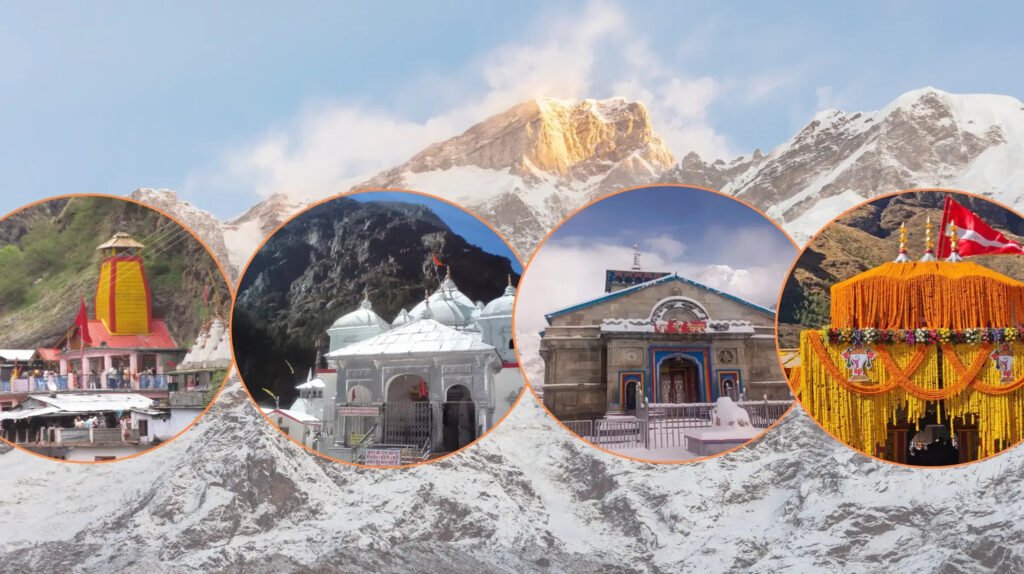
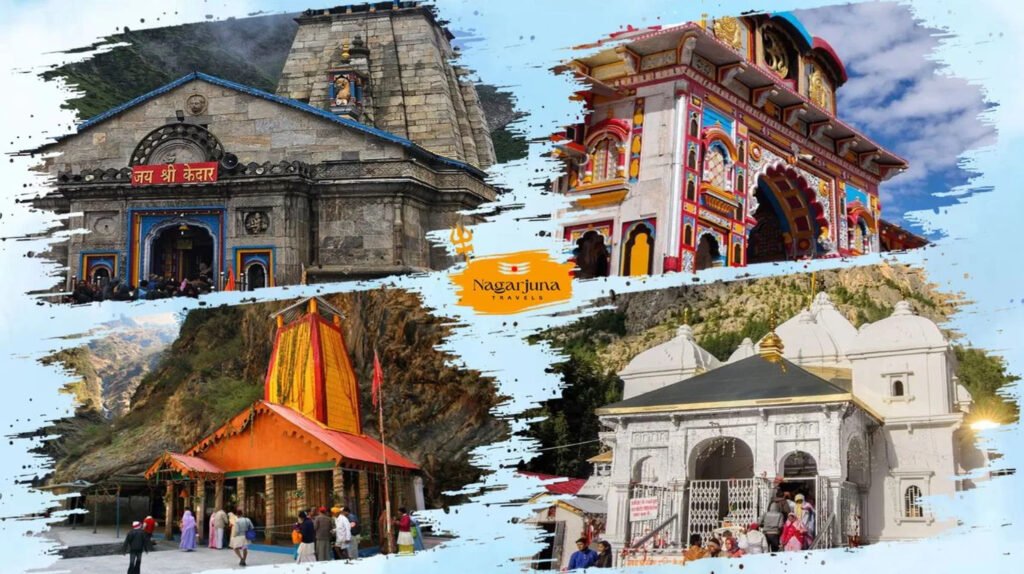
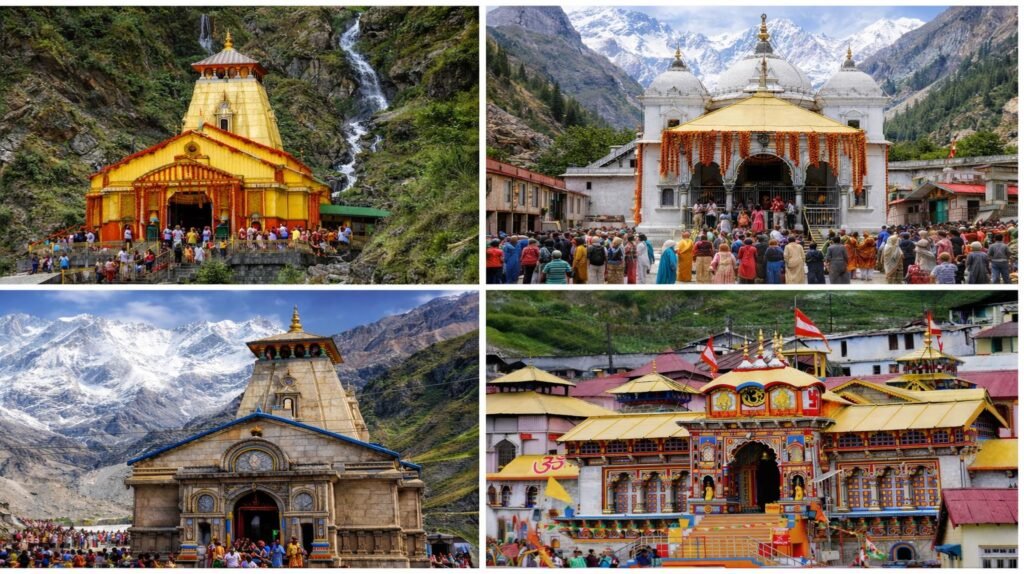
Introduction – A Unique Himalayan Temple Design
Badrinath Temple is not just a sacred site—it is also an architectural marvel that stands strong in the harsh Himalayan environment.
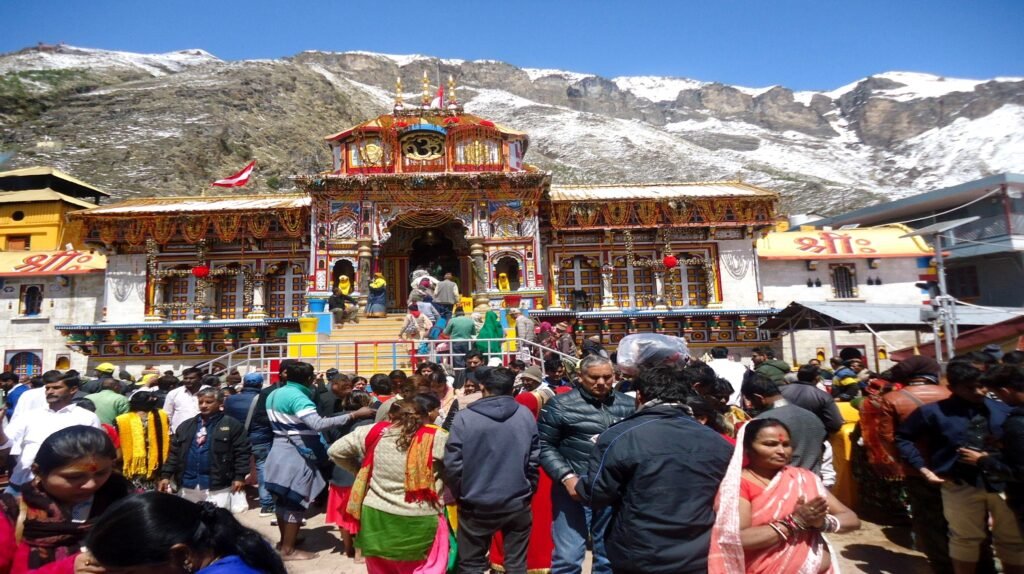
Unlike typical North Indian temples, Badrinath features a distinct blend of Garhwali, Buddhist, and North Indian architectural styles, making it visually unique.
👉 Its colorful façade, compact structure, and symbolic design make it one of the most recognizable temples in India.
🏛️ Overall Architectural Style
🔶 Mixed Architectural Influence
Badrinath Temple reflects a fusion of:
- Garhwali (Himalayan) style
- Buddhist monastery influence
- North Indian temple elements
Why This Style is Unique
- Built to withstand extreme weather
- Compact and strong structure
- Bright colors for visibility in snow
👉 Unlike grand plains temples, it is designed for survival in mountains.
🧱 Main Structure of the Temple
🛕 1. Garbhagriha (Sanctum Sanctorum)
📍 Inner Core
The Garbhagriha is the most sacred part of the temple.
Features:
- Houses black stone idol of Lord Vishnu (Badrinarayan)
- Small and enclosed space
- Spiritual energy concentrated
👉 This is where darshan takes place.
🏛️ 2. Darshan Mandap
Purpose:
- Area for devotees to stand
- Connects outer hall to sanctum
Design:
- Pillared structure
- Spacious compared to sanctum
👉 Designed for crowd movement.
🏟️ 3. Sabha Mandap
Role:
- Assembly hall
- Space for rituals and prayers
Features:
- Larger hall
- Decorated pillars
👉 Used for religious gatherings.
🚪 4. Singh Dwar (Main Entrance)
📸 Entrance Architecture

Highlights:
- Colorful façade
- Arched gateway
- Intricate designs
👉 First visual impression of the temple.
🏔️ 5. Dome & Roof Structure
Design:
- Conical dome
- Gold-gilded roof
Purpose:
- Protection from snow
- Visibility from distance
👉 Functional + aesthetic.
🎨 Color & Exterior Design
Unique Feature:
- Bright red, blue, and yellow colors
Why Colors Matter:
- Stand out against snow
- Symbolic spiritual meaning
👉 Makes Badrinath visually iconic.
🧠 Architectural Adaptation to Himalayas
Built for Extreme Conditions
- Thick stone walls
- Small windows
- Strong foundation
Why Important:
- Withstands snowfall
- Handles temperature variations
👉 Practical design for survival.
📜 Historical Evolution of Architecture
Ancient Origins
- Temple believed to be established by Adi Shankaracharya
Renovations
- Rebuilt multiple times due to avalanches and weather damage
- Modern structure reflects restoration work
👉 Current design is a blend of ancient and modern.
🧘 Spiritual Symbolism in Architecture
Garbhagriha
- Represents the universe center
Temple Layout
- Journey from outer world to inner peace
Dome
👉 Architecture reflects spiritual philosophy.
🧭 Comparison with Other Temples
Unlike South Indian Temples:
Unlike North Indian Temples:
👉 Unique identity in Indian temple architecture.
⚠️ Important Visitor Insights
- Photography inside temple not allowed
- Respect sacred spaces
- Follow entry rules
❓ Frequently Asked Questions
What style is Badrinath Temple?
Mixed Garhwali, Buddhist, and North Indian style.
Why is it colorful?
To stand out in snowy surroundings and for symbolic meaning.
Who built Badrinath Temple?
Revived by Adi Shankaracharya.
Is the temple very old?
Yes, with multiple reconstructions.
What is special about its architecture?
Adaptation to harsh Himalayan climate.
🏁 Conclusion – Where Architecture Meets Spirituality
The architecture of Badrinath Temple is not just about design—it is about survival, symbolism, and spirituality. Every element, from the compact sanctum to the colorful façade, serves both a practical and spiritual purpose.
Built to withstand the harsh Himalayan climate while maintaining its sacred essence, the temple stands as a perfect example of how architecture can adapt to nature without losing its identity.
👉 In the end, Badrinath is not just a temple—it is a masterpiece of Himalayan engineering and spiritual design.
Understanding its architecture allows you to appreciate not just its beauty, but also the thought, devotion, and resilience behind it.