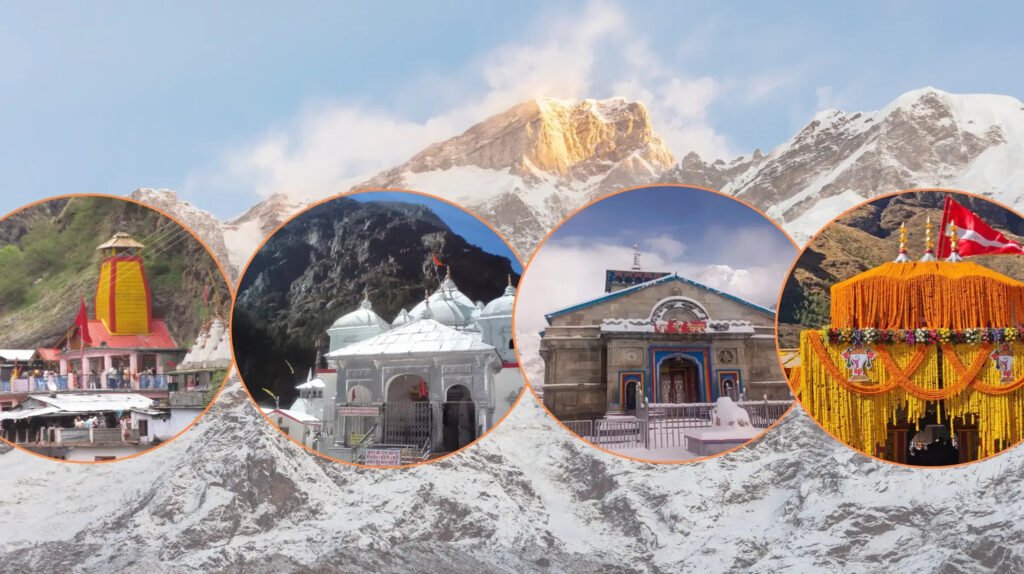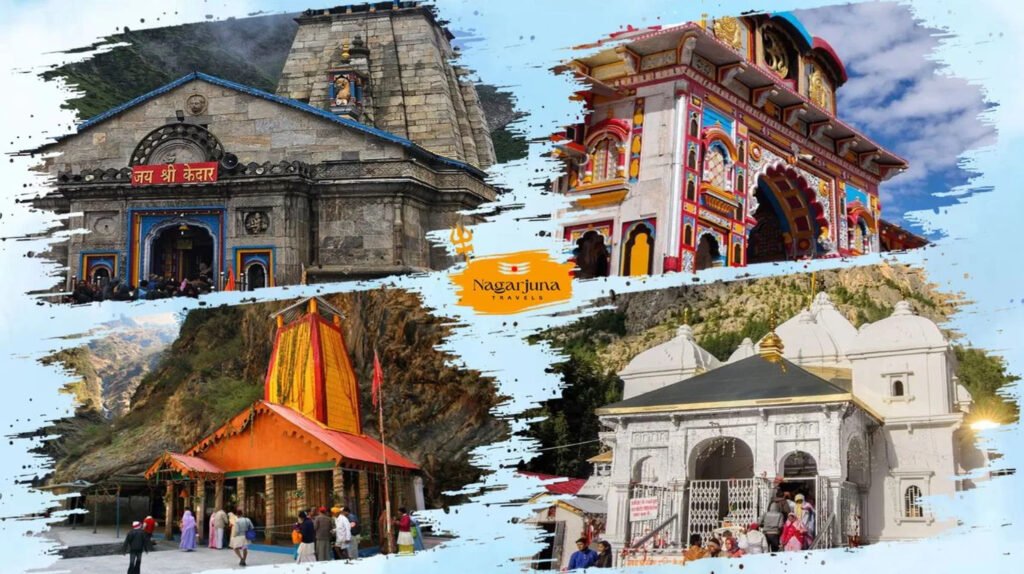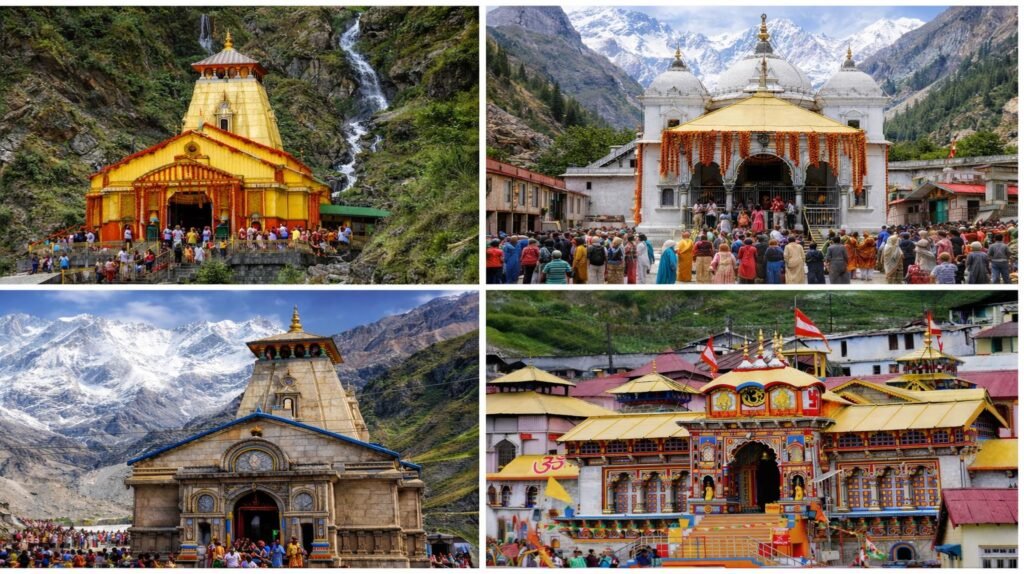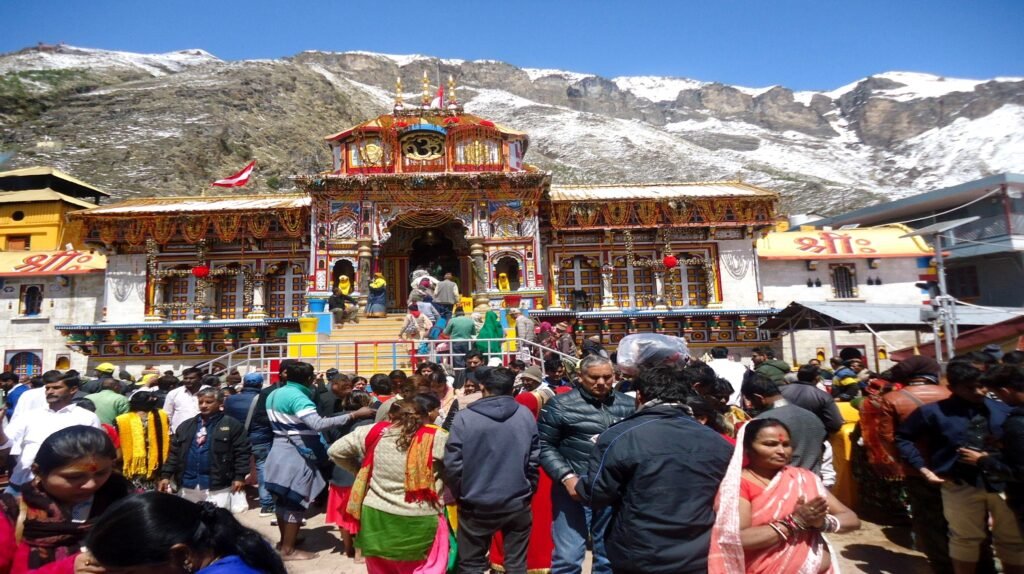
Badrinath Temple is one of the most revered pilgrimage sites in India and a key part of the Char Dham Yatra. Situated along the banks of the Alaknanda River at an altitude of 3,133 meters, the temple is dedicated to Lord Vishnu in his form as Badrinarayan.
For centuries, Badrinath has been a center of devotion, meditation, and spiritual enlightenment. Its history is deeply rooted in ancient scriptures, while its mythology connects it directly to divine events described in Hindu traditions.
This guide explores the history, legends, mythology, and spiritual significance of Badrinath Temple in detail.
According to ancient beliefs, Lord Vishnu chose the Badrinath region for deep meditation. The area was once covered with dense forests of Badri trees (wild berries).
It is believed that:
Lord Vishnu meditated here for thousands of years
Goddess Lakshmi took the form of a Badri tree
She protected Vishnu from harsh weather conditions
👉 Because of this, the place came to be known as Badri Van, and Lord Vishnu was called Badrinarayan.
Another important legend states that:
The twin sages Nar and Narayan, incarnations of Lord Vishnu, performed penance here
Their meditation helped maintain balance in the universe
This is why the region is also known as a place of eternal spiritual energy.
Badrinath is also linked to the Mahabharata:
The Pandavas are believed to have passed through this region during their final journey (Swargarohini Yatra)
It is said that they sought blessings here before ascending to heaven
Badrinath finds mention in several ancient texts:
Vedas
Puranas
Mahabharata
These texts describe Badrinath as a sacred site where divine beings performed penance and meditation.
One of the most important historical milestones is the revival of the temple by:
👉 Adi Shankaracharya
Rediscovered the idol of Lord Vishnu in the Alaknanda River
Established the temple in the 8th century
Promoted Badrinath as a major pilgrimage center
This marked the beginning of organized worship at Badrinath.
The temple has undergone several renovations over centuries due to:
Natural disasters
Avalanches
Weather damage
The present structure reflects a blend of:
North Indian temple architecture
Bright, colorful facade unique to Badrinath
The main deity is a black stone idol of Lord Vishnu in a meditative posture.
Seated in Padmasana (lotus position)
Made of Shaligram stone
Approximately 1 meter tall
Nar and Narayan
Goddess Lakshmi
Kubera
Garuda
👉 The idol symbolizes peace, meditation, and divine presence.
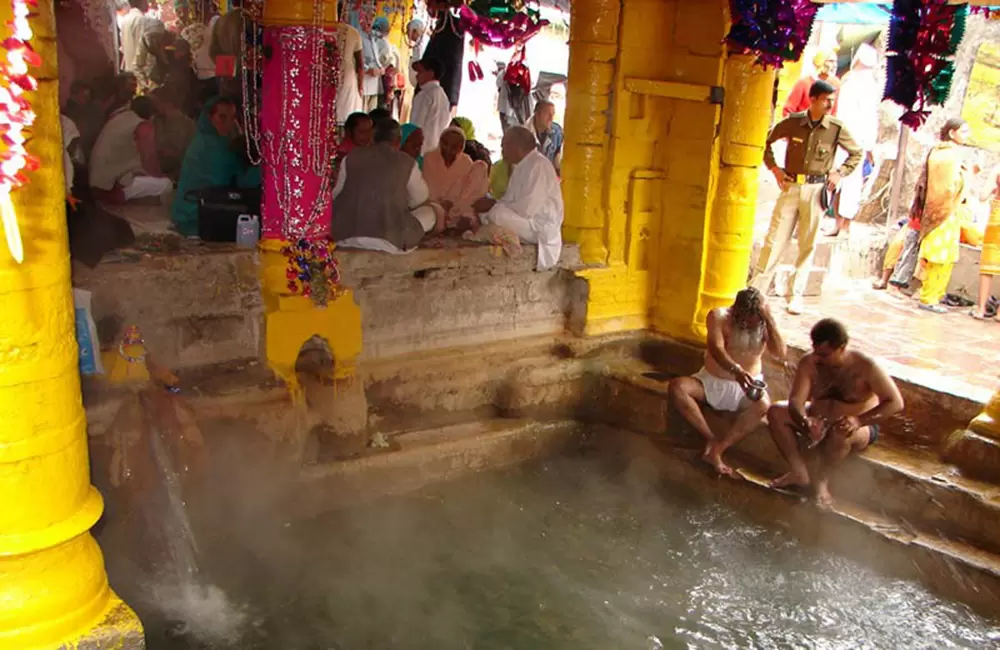
Before entering the temple, pilgrims take a holy dip in Tapt Kund, a natural hot water spring.
Believed to purify the body
Water remains warm even in freezing temperatures
The temple is backed by the majestic Neelkanth Peak, often called the “Garhwal Queen.”
It enhances the spiritual aura and scenic beauty of the temple.
Badrinath is one of the four sacred sites in the Char Dham circuit.
Visiting Badrinath is believed to:
Cleanse past sins
Lead to spiritual liberation (moksha)
The region has long been associated with:
Meditation
Yoga
Spiritual awakening
Many sages are believed to have attained enlightenment here.
Morning Abhishekam
Evening Aarti
Special festivals and ceremonies
The rituals are conducted with deep devotion and discipline.
When Lord Vishnu was meditating, Goddess Lakshmi stood beside him as a tree, protecting him from harsh weather. This symbolizes devotion and support.
Kubera is believed to guard the wealth of Badrinath, symbolizing prosperity.
It is believed that:
Visiting Badrinath frees the soul from the cycle of rebirth
Offering prayers here leads to salvation
Badrinath is not just a temple but a spiritual institution.
Attracts millions of pilgrims annually
Maintains ancient traditions
Preserves spiritual heritage
Visitors often describe:
A deep sense of peace
Spiritual connection
Awe-inspiring natural beauty
The combination of mythology, history, and environment creates a unique experience.
It was revived and established by Adi Shankaracharya in the 8th century.
It is dedicated to Lord Vishnu and is one of the Char Dham pilgrimage sites.
It is a sacred hot water spring believed to purify devotees before darshan.
Lord Vishnu in the form of Badrinarayan.
Because of the Badri trees and Lord Vishnu’s association with them.
Badrinath Temple stands as a timeless symbol of devotion, spirituality, and divine presence in the Himalayas. Its history, shaped by ancient scriptures and revived by Adi Shankaracharya, reflects centuries of faith and tradition. At the same time, its mythology—rooted in the stories of Lord Vishnu, Goddess Lakshmi, and sacred sages—adds a profound spiritual dimension to the site.
The temple is not just a place of worship but a destination where history, mythology, and natural beauty come together. From the sacred Tapt Kund to the majestic Neelkanth Peak, every element of Badrinath contributes to a deeply enriching experience.
For pilgrims and travelers alike, visiting Badrinath is more than a journey—it is a step toward spiritual understanding, inner peace, and connection with something greater than oneself.