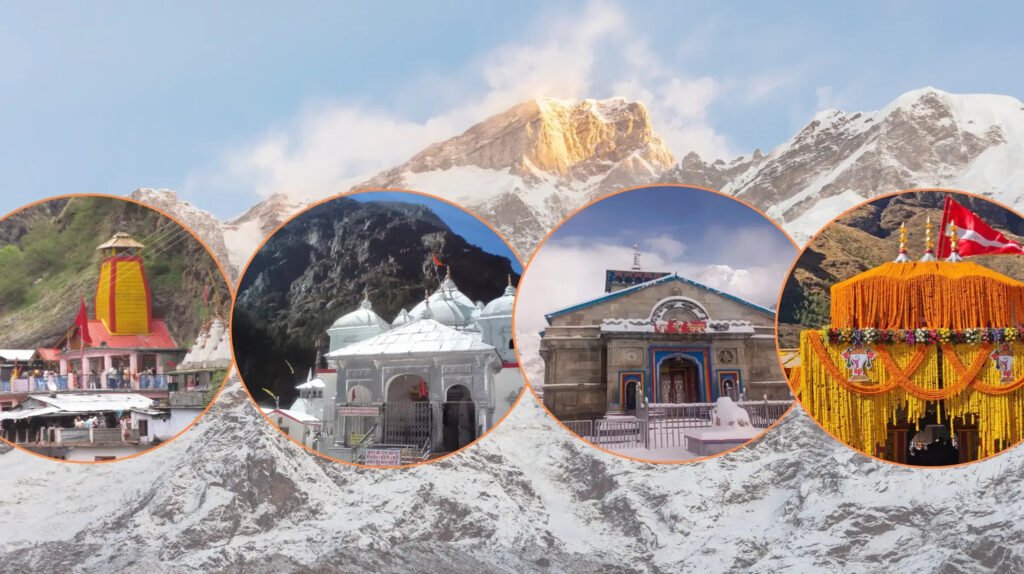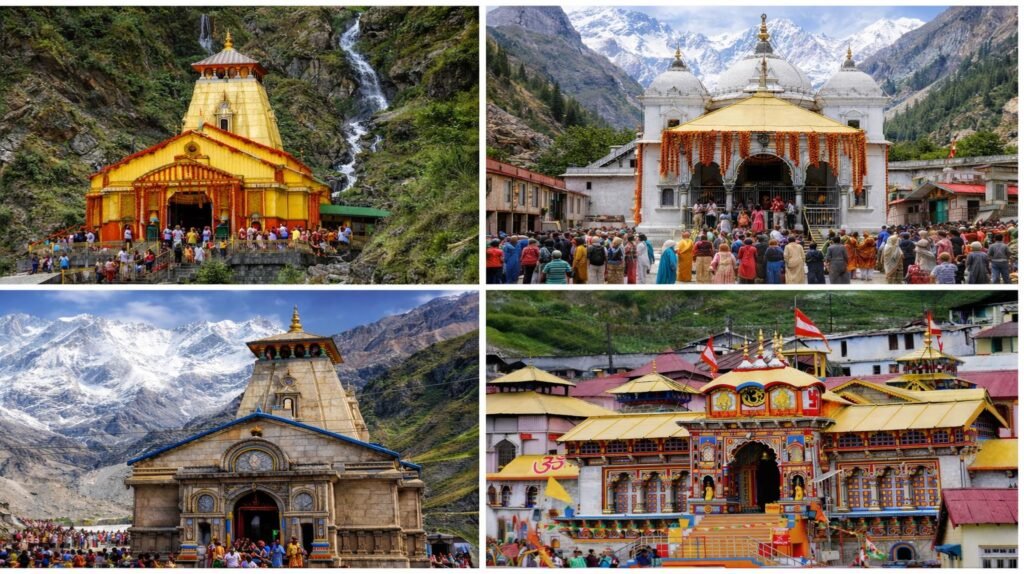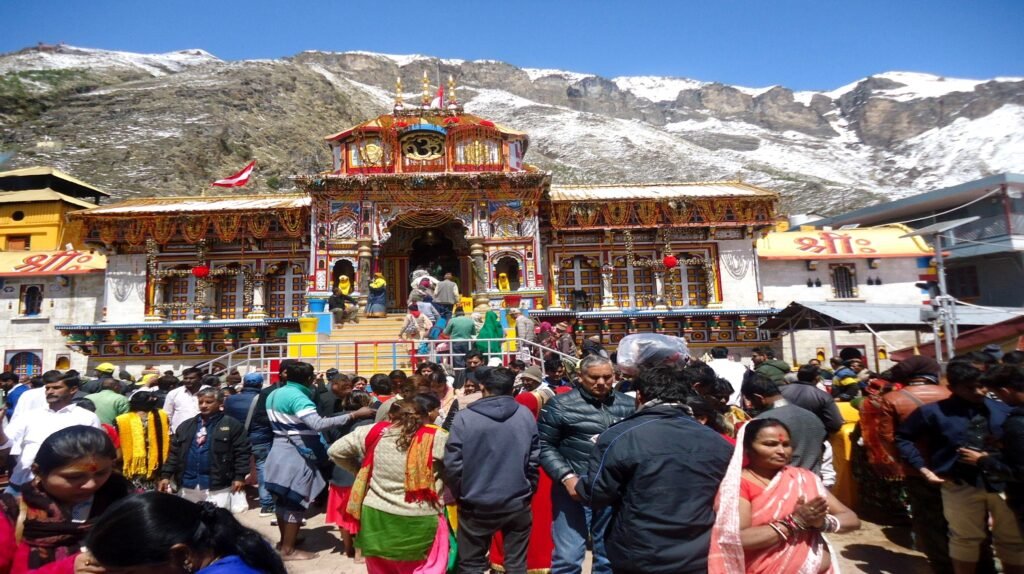
Kedarnath Temple is not just a pilgrimage site—it is a high-altitude Himalayan journey that requires careful planning. Located at 3,583 meters above sea level, Kedarnath is surrounded by snow-covered peaks, glaciers, and rugged terrain.
Unlike other temples that remain open year-round, Kedarnath is accessible only for a limited period due to extreme weather conditions. Snowfall blocks the entire region during winter, while monsoon brings heavy rains and landslides.
Because of this, choosing the right time to visit is essential for:
Ensuring safety
Avoiding travel disruptions
Experiencing comfortable weather
Enjoying a peaceful and fulfilling journey
Many travelers underestimate the importance of timing and end up facing difficulties such as bad weather, overcrowding, or unsafe trekking conditions. This guide provides a complete understanding of when and why to visit Kedarnath.
The temple follows a traditional annual schedule based on Hindu rituals:
Opening: April or May (on Akshaya Tritiya)
Closing: October or November (around Bhai Dooj)
During the winter months, the idol of Lord Shiva is moved to Ukhimath, where worship continues until the temple reopens.
This means that Kedarnath is accessible only for about six months each year, making it important to plan within this window.
Most suitable months: May, June, September, October
Months to avoid: July and August
Closed period: November to April
Kedarnath has a sub-alpine climate characterized by cold temperatures and sudden weather changes. Even during the warmest months, the temperature rarely feels truly warm due to altitude.
Low oxygen levels
Cold nights even in summer
Rapid weather changes
Snowfall during winter
Rainfall during monsoon
| Season | Temperature |
|---|---|
| Summer | 5°C to 18°C |
| Monsoon | 6°C to 15°C |
| Autumn | 0°C to 15°C |
| Winter | -15°C to 5°C |
Understanding these patterns helps in planning clothing, travel timing, and accommodation.
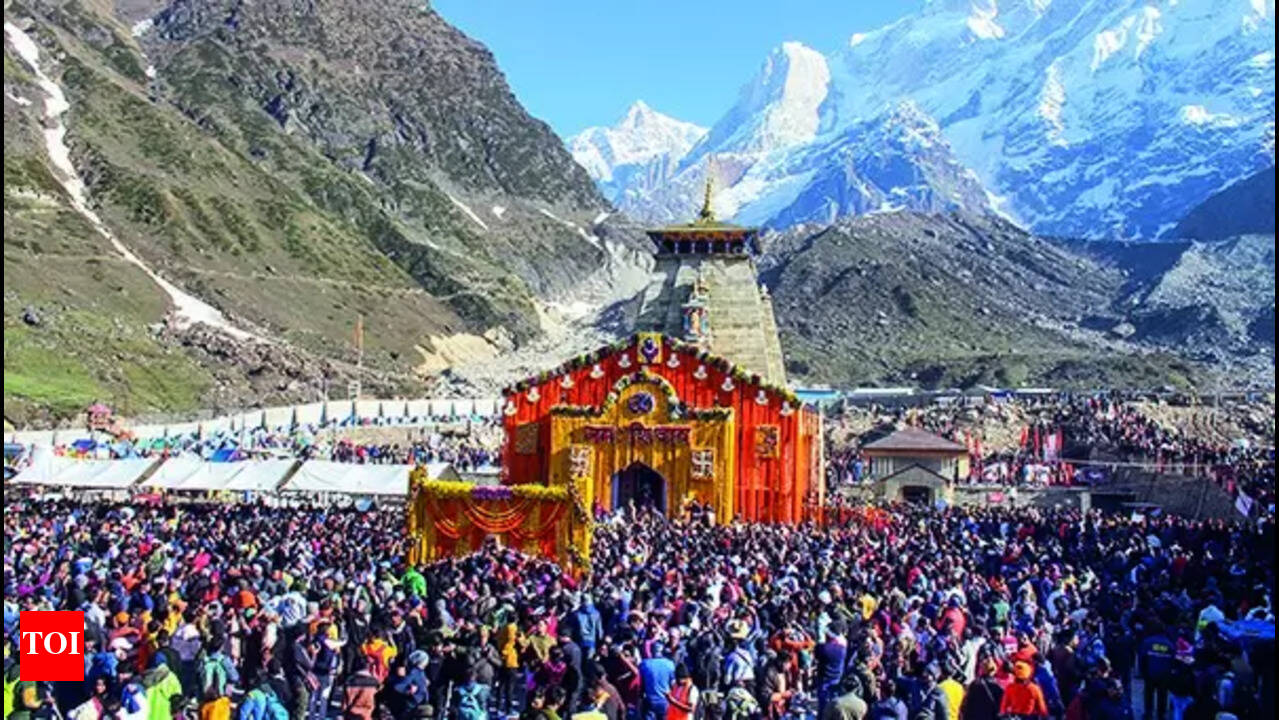
Summer marks the beginning of the yatra season. Snow begins to melt, and the trekking route becomes accessible.
Day temperature: Pleasant
Night temperature: Cold
Skies: Mostly clear
The trek from Gaurikund becomes fully operational after snow clearance.
Compared to other seasons, summer offers relatively predictable weather conditions.
Hotels and lodges open
Food facilities available
Helicopter services operate regularly
This is the easiest time for:
Families
First-time visitors
Senior citizens
High crowd levels
Longer waiting times
Increased costs for accommodation
Despite these challenges, summer remains one of the most popular times to visit.
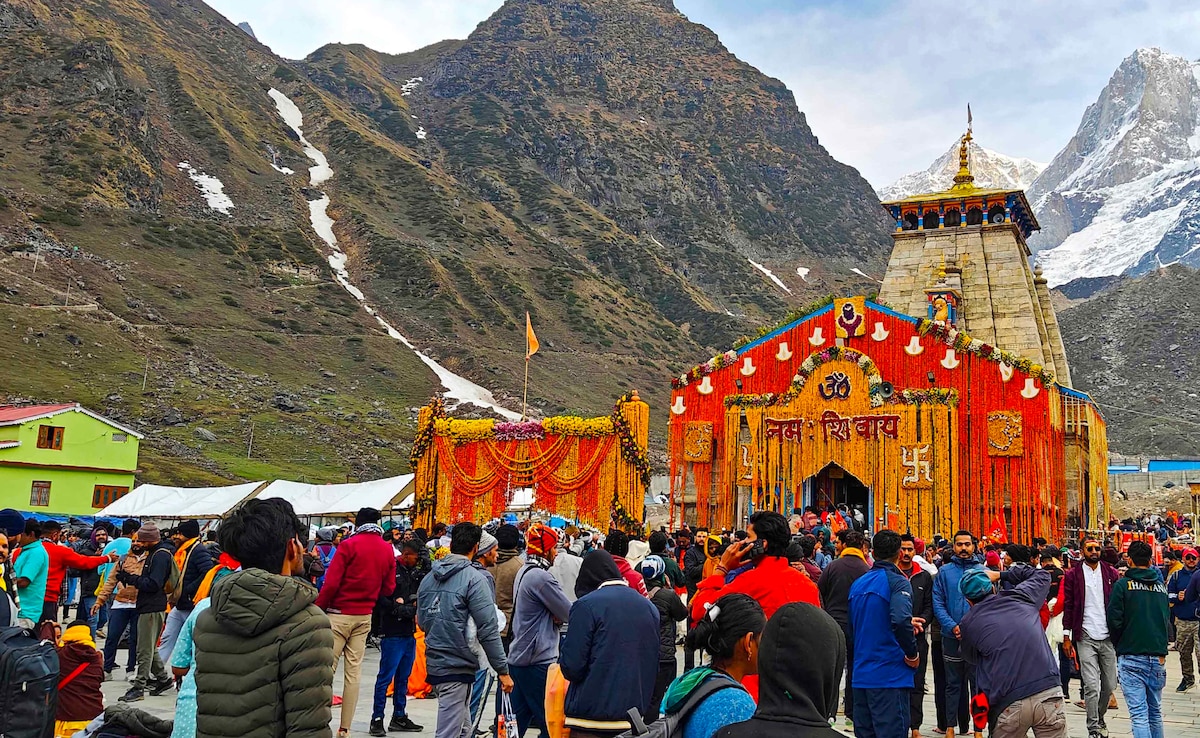
Monsoon brings heavy rainfall to the region, making travel unpredictable.
Frequent rain
Cloud cover
Reduced visibility
Mountain roads become unstable, leading to frequent landslides.
Walking becomes difficult and risky due to wet surfaces.
Road blockages
Delayed transport
Helicopter cancellations
Traveling during monsoon is not recommended unless absolutely necessary. Safety risks outweigh any potential benefits.

After the monsoon ends, the region becomes fresh and clean.
Clear skies
Crisp air
Cool temperatures
Post-rain atmosphere provides excellent visibility of Himalayan peaks.
Fewer visitors compared to peak summer months.
Ideal for spiritual reflection and quiet travel.
The landscape appears fresh and vibrant after monsoon rains.
Cold nights
Possibility of early snowfall in late October
Solo travelers
Nature lovers
Photographers

Winter brings extreme cold and heavy snowfall.
Temperature drops below freezing
Entire region covered in snow
Routes are blocked
No accommodation available
Temple remains closed
Pilgrims can visit Ukhimath, where the deity is worshipped during winter.
| Month | Condition | Travel Advice |
|---|---|---|
| April | Cold | Limited |
| May | Pleasant | Good |
| June | Comfortable | Good |
| July | Rainy | Avoid |
| August | Heavy rain | Avoid |
| September | Clear | Good |
| October | Cold | Good |
| November–March | Snow | Closed |
May and June provide the most stable and accessible conditions.
September offers clear skies and beautiful landscapes.
October is less crowded and more tranquil.
September is often more affordable compared to peak summer.
Warm clothing
Trekking shoes
Rain protection
Personal medicines
Water bottle
Start trekking early in the morning
Walk at a steady pace
Stay hydrated
Check weather updates regularly
Book accommodation in advance
The most suitable time is from May to June and September to October.
No, the temple remains open only for six months.
It is not recommended due to safety risks.
Yes, but nights can be quite cold.
Yes, heavy snowfall occurs in winter.
Planning a visit to Kedarnath Temple requires careful consideration of weather, accessibility, and personal preferences. Each season offers a different experience, but not all are suitable for travel.
Summer months such as May and June provide the most comfortable conditions with easy accessibility, making them ideal for families and first-time visitors. On the other hand, September and October offer a quieter and more scenic experience, perfect for those who prefer fewer crowds and better views.
Monsoon months should be avoided due to safety concerns, while winter remains inaccessible because of heavy snowfall.
Ultimately, the best time to visit Kedarnath Temple depends on what you seek from your journey—comfort, scenic beauty, or a peaceful spiritual experience. By choosing the right time, you can ensure a safe, smooth, and memorable pilgrimage in the heart of the Himalayas.