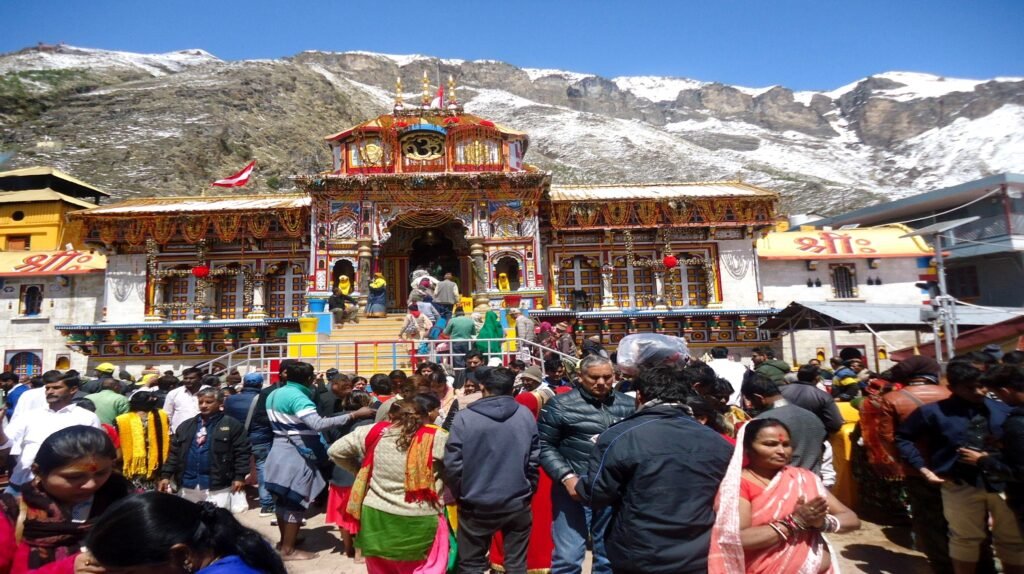
Gaumukh Tapovan Trek 2026: Complete Guide, Route, Itinerary, Difficulty & Spiritual Significance

Plan Gaumukh Tapovan Trek 2026 with this detailed guide covering Gaumukh Glacier, Tapovan meadow, trek route from Gangotri, best time, permits, itinerary, difficulty & tour packages.

Gaumukh Tapovan Trek 2026 – A Journey to the Source of Ganga & the Land of Sages

The Gaumukh Tapovan Trek is one of the most sacred, scenic, and spiritually powerful treks in the Indian Himalayas. Combining the holy origin of River Ganga with the serene alpine meadows of Tapovan, this trek is a rare blend of pilgrimage, adventure, and deep meditation.

Starting from the sacred town of Gangotri Temple, the Gaumukh Tapovan Trek 2026 takes you to the icy snout of the Gaumukh Glacier and further up to Tapovan—an ancient meditation ground of sages with breathtaking views of Mount Shivling.

Why Gaumukh Tapovan Trek Is So Special

The Gaumukh Tapovan trek is famous for:

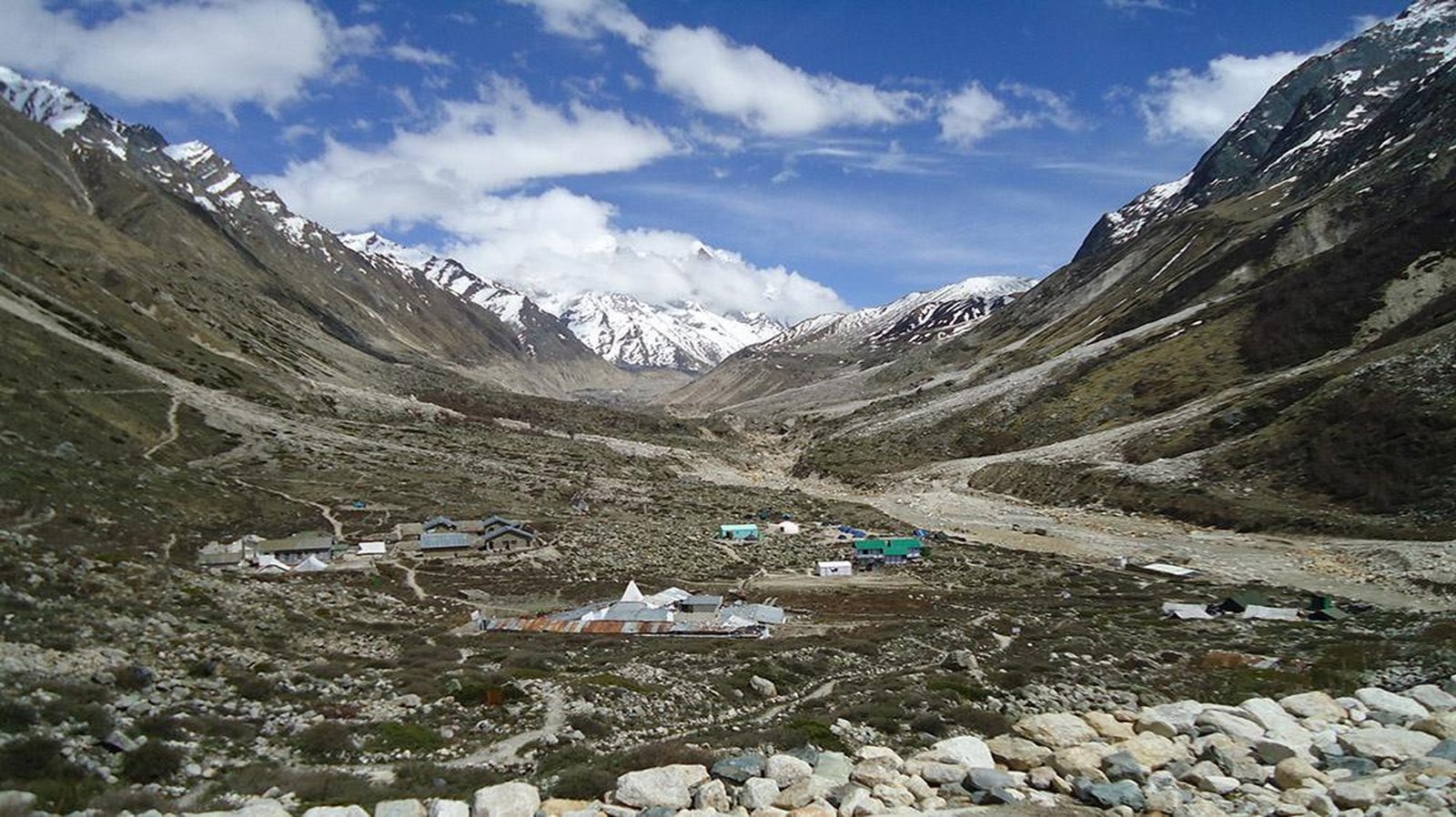
  • Gaumukh – Source of River Ganga

  • Tapovan – legendary meditation site of sages

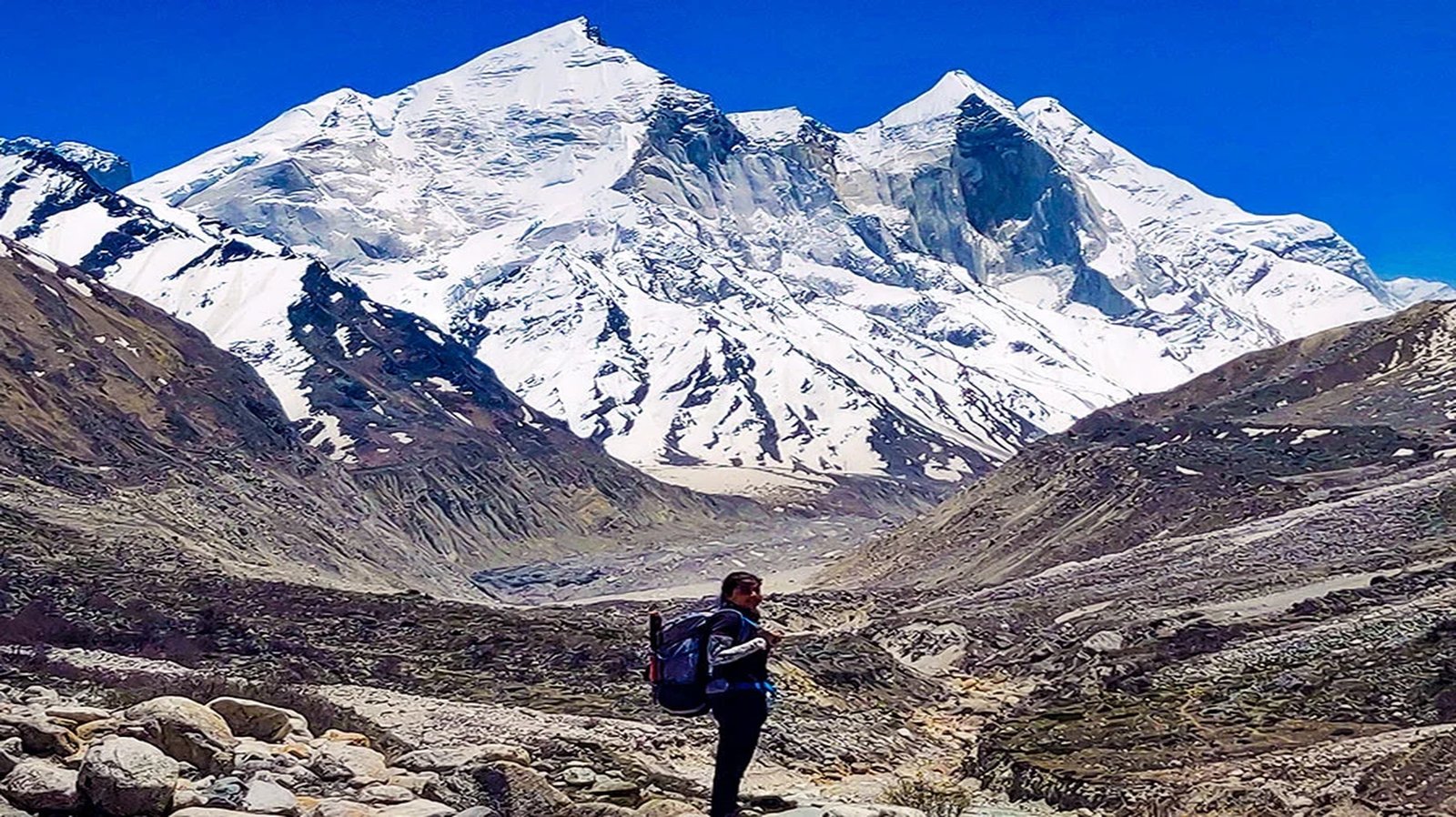
  • Close views of Mount Shivling, Meru & Bhagirathi peaks

  • Powerful spiritual vibrations

  • Perfect mix of trekking & pilgrimage

It is often called the most spiritually intense trek in India.


Mythological & Spiritual Significance

Gaumukh – The Mouth of the Cow

Gaumukh literally means “Cow’s Mouth,” describing the glacier’s shape. According to Hindu belief, this is where Ganga descends from heaven after being released from Lord Shiva’s locks.

Tapovan – Land of Tapasya

Tapovan has been a meditation ground for:

  • Sages

  • Yogis

  • Ascetics

Many believe Adi Shankaracharya and countless rishis performed penance here, making Tapovan a place of pure spiritual energy.


Location & Altitude Details

  • Region: Garhwal Himalayas

  • District: Uttarkashi

  • Gaumukh Altitude: ~3,900 m

  • Tapovan Altitude: ~4,463 m

The trek lies within the Gangotri National Park, a protected Himalayan ecosystem.

Best Time to Visit Gaumukh Tapovan Trek 2026

Ideal Trekking Seasons

May to June
  • Snow still present near Tapovan

  • Clear views of peaks

  • Cold but stable weather

September to October
  • Best visibility

  • Fewer pilgrims

  • Crisp mountain air

❌ Avoid July–August due to monsoon, landslides & river swelling.


How to Reach Gaumukh Tapovan

Step 1: Reach Haridwar / Rishikesh

Haridwar
Rishikesh

Step 2: Drive to Gangotri

Haridwar → Uttarkashi → Gangotri

Gangotri is the base village for the trek.

Gaumukh Tapovan Trek Route Overview

Route Breakdown
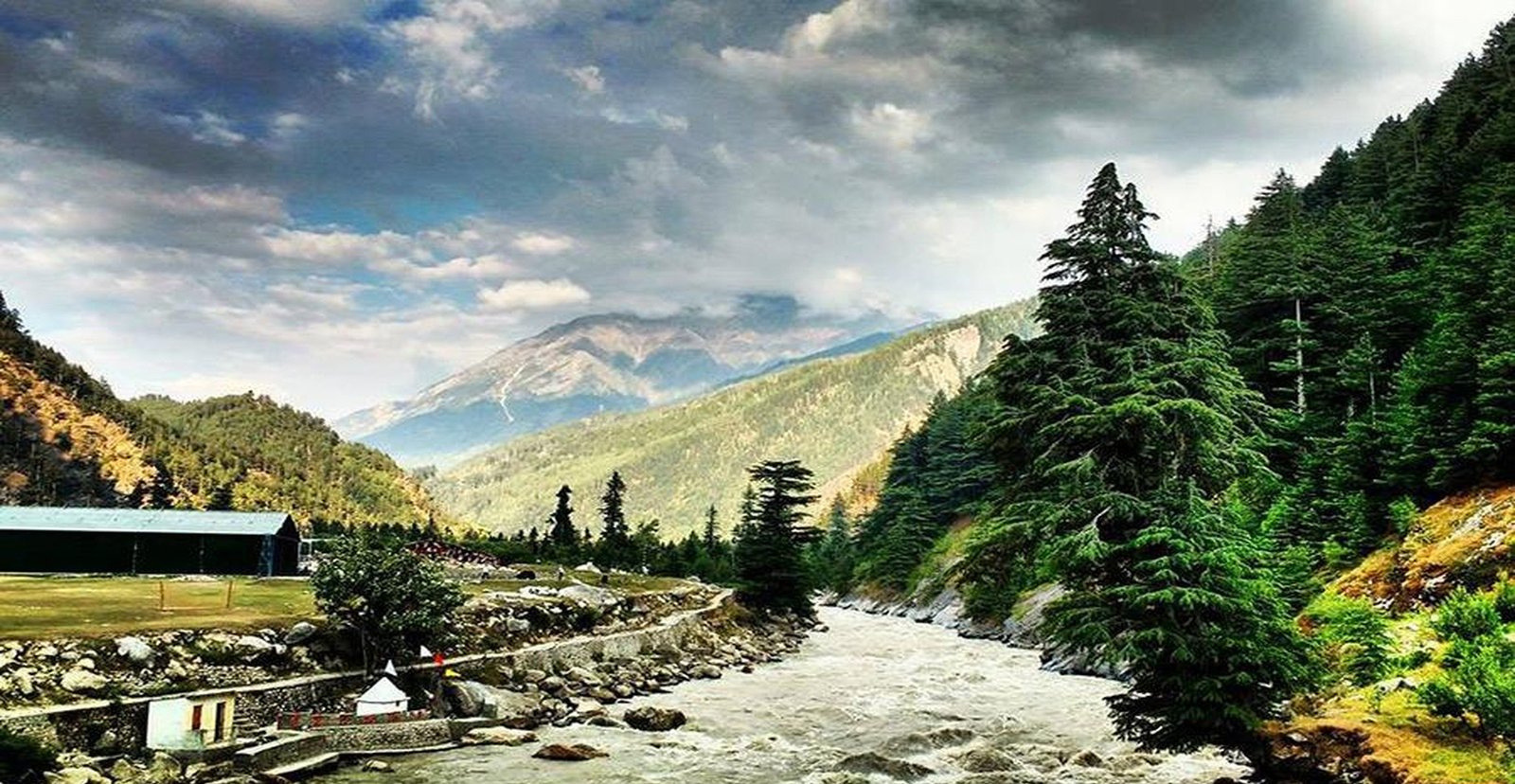
  • Gangotri → Chirbasa (9 km)

  • Chirbasa → Bhojbasa (5 km)

  • Bhojbasa → Gaumukh Glacier (4 km)

  • Gaumukh → Tapovan (Steep ascent ~2.5 km)

Total Trek Distance: ~46 km (round trip)


Day-by-Day Gaumukh Tapovan Trek Itinerary (8 Days)

Day 1 – Haridwar / Rishikesh to Gangotri

Acclimatization & evening Ganga Aarti.

Day 2 – Gangotri to Chirbasa

Gradual walk along Bhagirathi River.

Day 3 – Chirbasa to Bhojbasa

Spectacular views of Bhagirathi peaks.

Day 4 – Bhojbasa to Gaumukh → Tapovan

Visit Gaumukh Glacier, then steep climb to Tapovan.

Day 5 – Tapovan Exploration Day

Meditation, photography, acclimatization.

Day 6 – Tapovan to Bhojbasa

Careful descent.

Day 7 – Bhojbasa to Gangotri

Return trek.

Day 8 – Gangotri to Haridwar / Rishikesh

Trek Difficulty Level

FactorDetails
DifficultyModerate to Difficult
Suitable for Beginners❌ No
Altitude RiskHigh
Technical ClimbingNot required
Physical FitnessEssential

👉 Tapovan ascent is the most challenging part.


Permits & Regulations (Very Important)

  • Forest Permit mandatory

  • Issued by Gangotri National Park authority

  • Daily trekker limit enforced

  • ID proof required

Camping allowed only at designated zones.


Accommodation During the Trek

  • Gangotri: Hotels & guesthouses

  • Chirbasa / Bhojbasa: Forest rest houses & tents

  • Tapovan: Camping only

Facilities are basic and eco-regulated.


What to Carry for Gaumukh Tapovan Trek

Essential Packing List
  • High-quality trekking shoes

  • Down jacket (sub-zero rated)

  • Thermal layers

  • Rain protection

  • Trekking poles

  • Sunglasses & sunscreen

  • Headlamp

  • Personal medicines


Flora & Fauna in Gangotri National Park

Possible sightings:

  • Bharal (Blue Sheep)

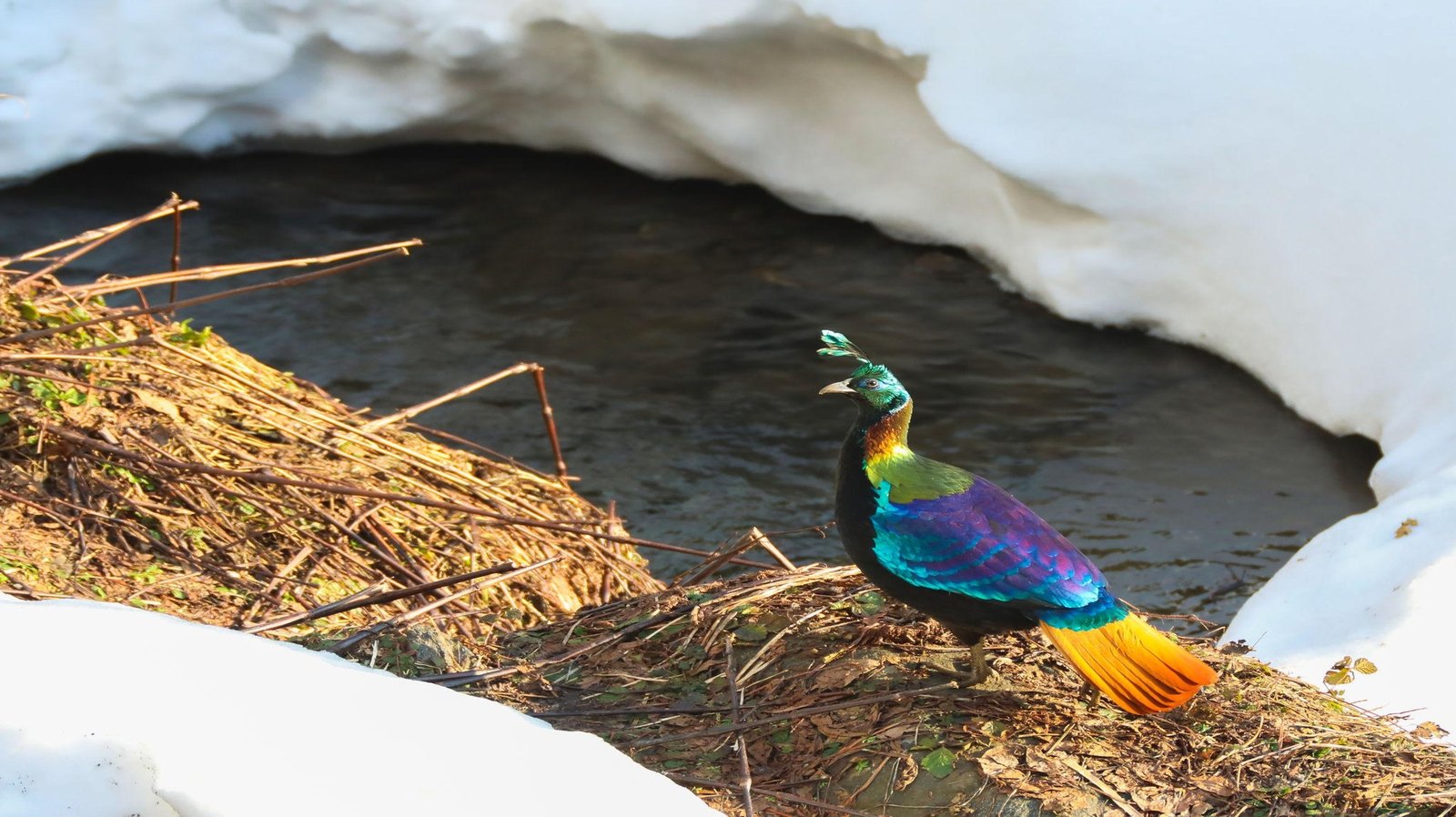
  • Himalayan Monal

  • Musk Deer (rare)

  • Alpine flowers


Safety Tips for Gaumukh Tapovan Trek

  • Proper acclimatization is crucial

  • Walk slowly & hydrate

  • Avoid walking close to glacier snout

  • Follow guide instructions

  • Respect eco rules & no littering


Gaumukh vs Gaumukh Tapovan – What’s the Difference?

FeatureGaumukh OnlyGaumukh + Tapovan
AltitudeLowerHigher
DifficultyModerateDifficult
Spiritual DepthHighExtremely High
ViewsGlacierGlacier + Peaks
Recommended ForPilgrimsSerious trekkers

Who Should Do Gaumukh Tapovan Trek?

âś” Experienced trekkers
âś” Spiritual seekers
âś” Photographers
âś” Yoga & meditation practitioners
âś” People seeking silence & depth

Not suitable for:
❌ Beginners
❌ Heart / lung patients
❌ Casual tourists


Why Book Gaumukh Tapovan Trek with Tramp India?

Tramp India offers:

âś” Forest permits & compliance
âś” Experienced high-altitude trek leaders
âś” Safety-first acclimatization plans
âś” Quality camping equipment
âś” Transport from Haridwar / Rishikesh
âś” 24/7 emergency support

We specialize in spiritual & high-altitude Himalayan treks.


Frequently Asked Questions

Is Gaumukh Tapovan trek safe?
Yes, with proper guides and acclimatization.

Is Gaumukh the actual source of Ganga?
Yes, spiritually and geographically.

Is Tapovan trek mandatory?
No, optional but highly rewarding.

Is mobile network available?
Only at Gangotri; none beyond.


Conclusion

The Gaumukh Tapovan Trek 2026 is not just a trek—it is a pilgrimage into silence, strength, and spiritual awakening. Standing near the source of the Ganga and meditating in Tapovan beneath towering Himalayan peaks is an experience that transforms both body and soul.

With expert guidance, strict safety standards, and deep regional knowledge, Tramp India ensures your Gaumukh Tapovan journey is safe, sacred, and truly life-changing.